Strength Training for Women - Practical, Safe, and Sustainable
Strength training for women has changed significantly in recent years - from a bodybuilding image to a central part of health, resilience, and long-term wellbeing.
 10 Reps Editorial
- 1Muscle growth is a slow process - without very high training volume, a calorie surplus, and years of consistency, no one builds "massive" muscle by accident.
- 2The physiological basics of strength training are the same for women and men - differences lie more in recovery and daily-life stress, not in fundamentally different exercises.
- 3For beginners, 2 to 3 sessions a week with 2 to 3 sets per exercise, focused on compound movements like pressing, pulling, squatting, and hip hinging, is enough to start.
Strength training for women has changed significantly in recent years. What used to be linked mostly to bodybuilding or pure aesthetics is now seen as a central part of health, resilience, and long-term wellbeing.
Even so, many women feel uncertain at the gym: Does strength training make sense for me? Am I training too much or too little? Do I need a special training plan? Especially around age 30, after a longer break, or when getting back into it, clear, reliable guidance is often missing.
Why strength training matters so much for women
The evidence is clear: strength training makes sense for women at any age - and becomes especially relevant as everyday life, work, and mental load increase. Regular training preserves muscle mass, supports joint and back health, improves posture, and increases overall resilience.
It's not about maximum weights or performance pressure - it's about continuous, structured load that fits your everyday life and can be sustained long-term.
Strength training for women - common misconceptions
Many women start strength training with the wrong expectations or unnecessary worries:
"I'll get too bulky." Muscle growth is a slow process. Without very high training volume, a calorie surplus, and years of consistency, you don't end up with massive muscle mass.
"I should just do cardio instead." Endurance training is valuable, but it doesn't replace strength training when it comes to stability, back health, bone density, and long-term resilience.
"I need a completely different training plan than men." The physiological fundamentals are the same. Differences tend to lie in recovery, load tolerance, everyday stress, and goals - not in completely different exercises.
Strength training for female beginners - what a solid start looks like
For beginners or people getting back into training, the start is decisive. The focus isn't intensity or training frequency, but safety, structure, and a clean learning curve for technique.
A sound start usually includes:
2-3 sets per exercise are usually enough to start. What matters is less about being "perfect" and more about reliability: a plan that doesn't constantly change builds trust in your own body and in your training.
Strength training plan for women - why structure matters more than motivation
A training plan shouldn't be complex - it should be traceable and fit everyday life. A good plan:
Many women train "by feel" for a long time. That can work short-term, but long-term it often leads to uncertainty, stalled progress, or overload. Structure doesn't replace self-determination - it creates clarity and a stable framework.
Age-related strength training - what changes over the years
As you get older, the fundamentals of strength training don't change - the conditions around it do. From around 30-40 years old, clean technique, sufficient recovery, a realistic training frequency, and long-term load management become more important.
Strength training stays highly effective - especially for bone density, joint health, and injury prevention - but it needs planning rather than spontaneous all-out sessions.
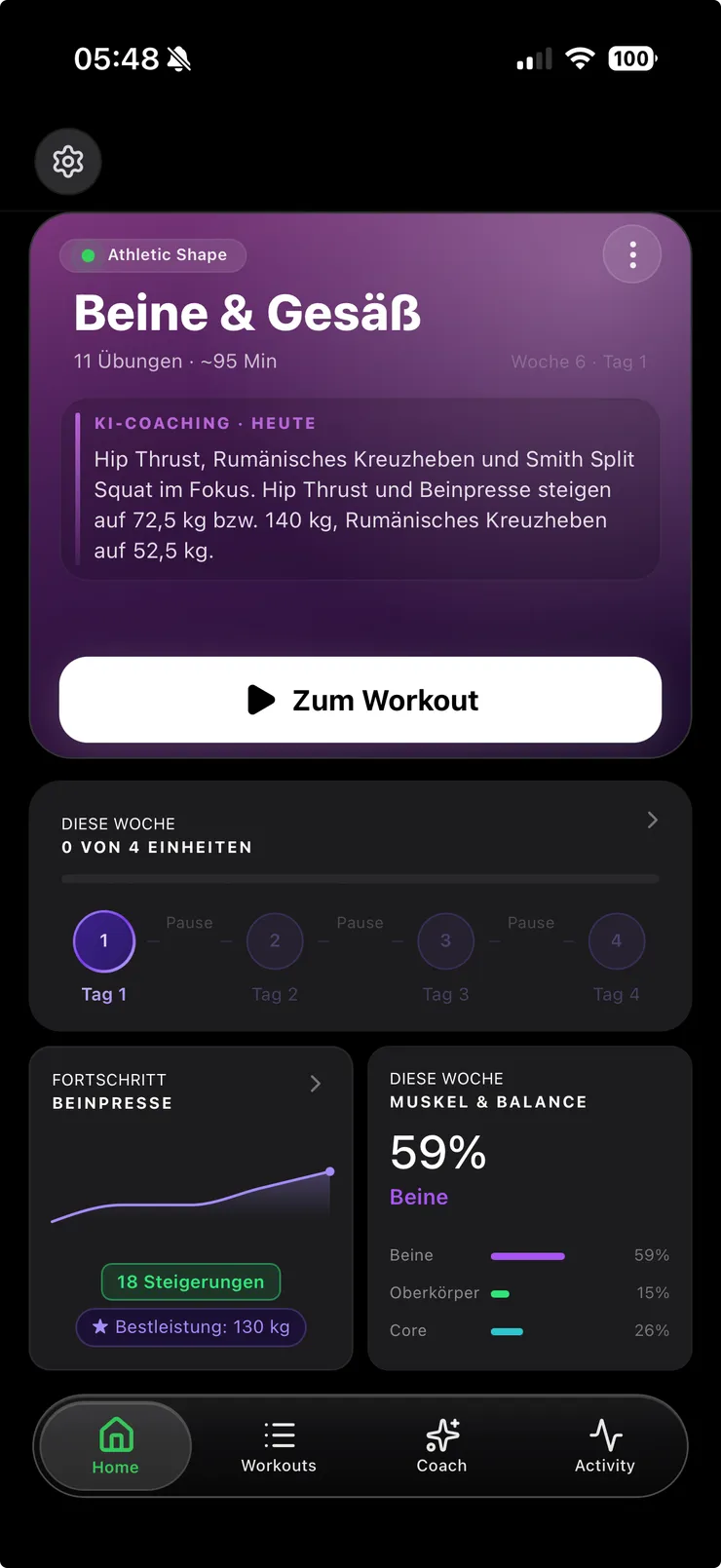
OUR APPROACH AT 10 REPSAt 10 Reps, we build training plans for women who train at the gym or want to get started - guided, structured, and without social pressure or fitness hype.
The focus is on:
clear routines
a training level that develops step by step
structure that grows with experience
That creates a calm entry into strength training that provides safety and stays sustainable long-term.
Who structured strength training is especially useful for
A structured training approach is especially helpful for women who:
Good training isn't determined by age - it comes down to matching load, everyday life, and recovery, plus the willingness to follow a plan consistently over weeks.
Conclusion: Strength training for women needs clarity, not pressure
Strength training for women isn't a trend - it's a long-term investment in health, resilience, and self-efficacy. What matters isn't how hard you train, but how smartly.
A good training plan provides orientation, reduces uncertainty, and builds trust in your own body. Not because training is complicated - but because it gets simpler once it's clear what actually makes sense right now.
Continue reading
Knowledge is the start.
The plan does the rest.
Everything we write about here — progression, recovery, structure — is built right into the app. 5 questions, and your first plan is ready.
Download on theApp Store