5 Strength Exercises Every Woman Over 40 Should Know
After 40, more changes in the body than most people realize: muscle mass declines measurably, and menopause further accelerates bone density loss.
 10 Reps Editorial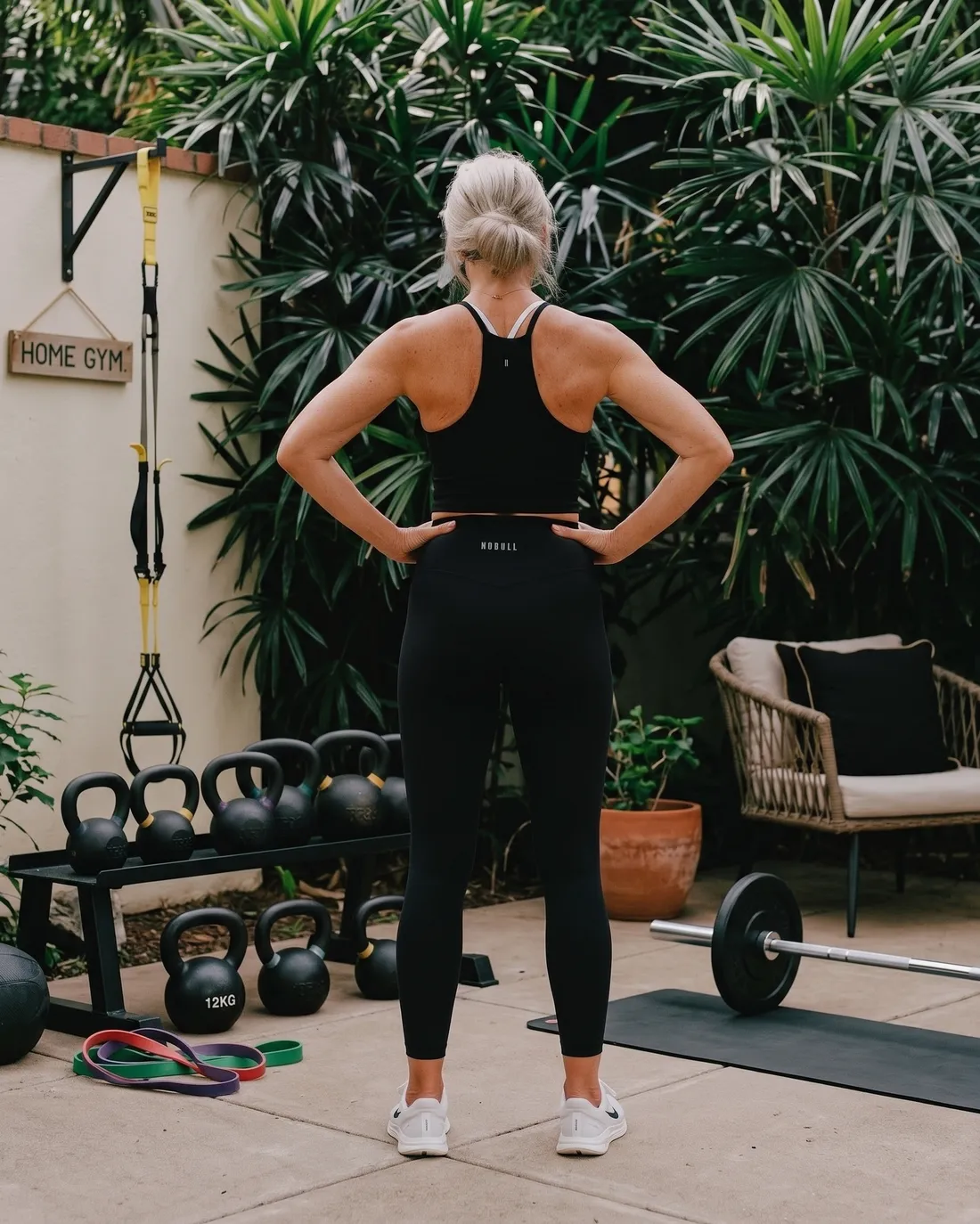
- 1Strength loss happens faster than pure muscle mass loss and is the strongest risk factor for falls in older age.
- 2An 8-month study in postmenopausal women with low bone density showed significant improvements in spine and femoral neck density from high-intensity strength training.
- 3Squats, Romanian deadlifts, rows, overhead presses, and hip thrusts together cover the areas that matter most for bone density, muscle preservation, and fall safety.
After 40, more changes in the body than most people realize: muscle mass declines measurably, and menopause further accelerates bone density loss.
Strength training is one of the few levers that works against both at once — provided you pick the right exercises.
Why strength training matters right now
Muscle mass declines continuously from around age 30, with a noticeable acceleration after 60 — a process research calls sarcopenia. Often even more decisive is strength loss itself: it progresses faster than pure muscle mass loss and is the stronger risk factor for falls and everyday injuries. At the same time, menopause changes bone metabolism — bone density drops faster during this phase than before.
The good news: both can be influenced with targeted strength training — and considerably more effectively than many expect. A controlled study in postmenopausal women with low bone density showed significant improvements in spine and femoral neck bone density after eight months of high-intensity strength training — areas especially prone to fractures with age. Crucially, heavy training proved both safe and effective, even though it was long considered too risky for exactly this group.
The 5 exercises

1. Squat
Few exercises load the hips and spine as directly as the squat — exactly the kind of load that stimulates bone to strengthen. At the same time, it trains the movement used most often in daily life: standing up from a chair, from the floor, from a car seat.

2. Romanian Deadlift
The second key bone-loading movement, this time through hip extension. It also specifically strengthens the hamstrings and glutes — muscle groups that lose strength disproportionately with age and matter for safe, steady walking.

3. Row
The tendency toward a rounded upper back often gets worse with age, on top of declining spinal bone density. Rowing movements strengthen exactly the muscles between the shoulder blades that counteract that — supporting upright posture.

4. Shoulder Press
One of the few exercises that loads the upper body axially — relevant for bone density in the arms and shoulders. It's also a movement used constantly in daily life: lifting something onto a high shelf, catching yourself with your arms during a fall.

5. Hip Thrust
Targeted strength in hip extension is closely tied to fall risk — being able to catch yourself in that critical moment often prevents the fall itself. The hip thrust trains exactly that movement in isolation and under high load.
What this means for your training
OUR APPROACH AT 10 REPSAll five exercises from this article are part of the 10 Reps exercise catalog — trainable individually through the workout library, or embedded in a complete training plan.
The progression engine makes sure the load increases step by step and safely, instead of you having to judge yourself when the next step makes sense — exactly the kind of controlled progression that matters for lasting bone and muscle health.
Conclusion: Never Too Late, But Best Started Now
Muscle and bone loss after 40 isn't an unavoidable fate — it's a process that targeted strength training can noticeably slow down.
These five exercises cover exactly the areas that matter most for bone density, muscle preservation, and fall safety — trained regularly, not just occasionally.
Continue reading
Knowledge is the start.
The plan does the rest.
Everything we write about here — progression, recovery, structure — is built right into the app. 5 questions, and your first plan is ready.
Download on theApp Store