The 5 Best Glute Exercises for Your Gym Session
A strong glute is more than aesthetics — the gluteus maximus is the most powerful muscle in the human body, central to hip extension, sprint power, and a stable lower back.
 10 Reps Editorial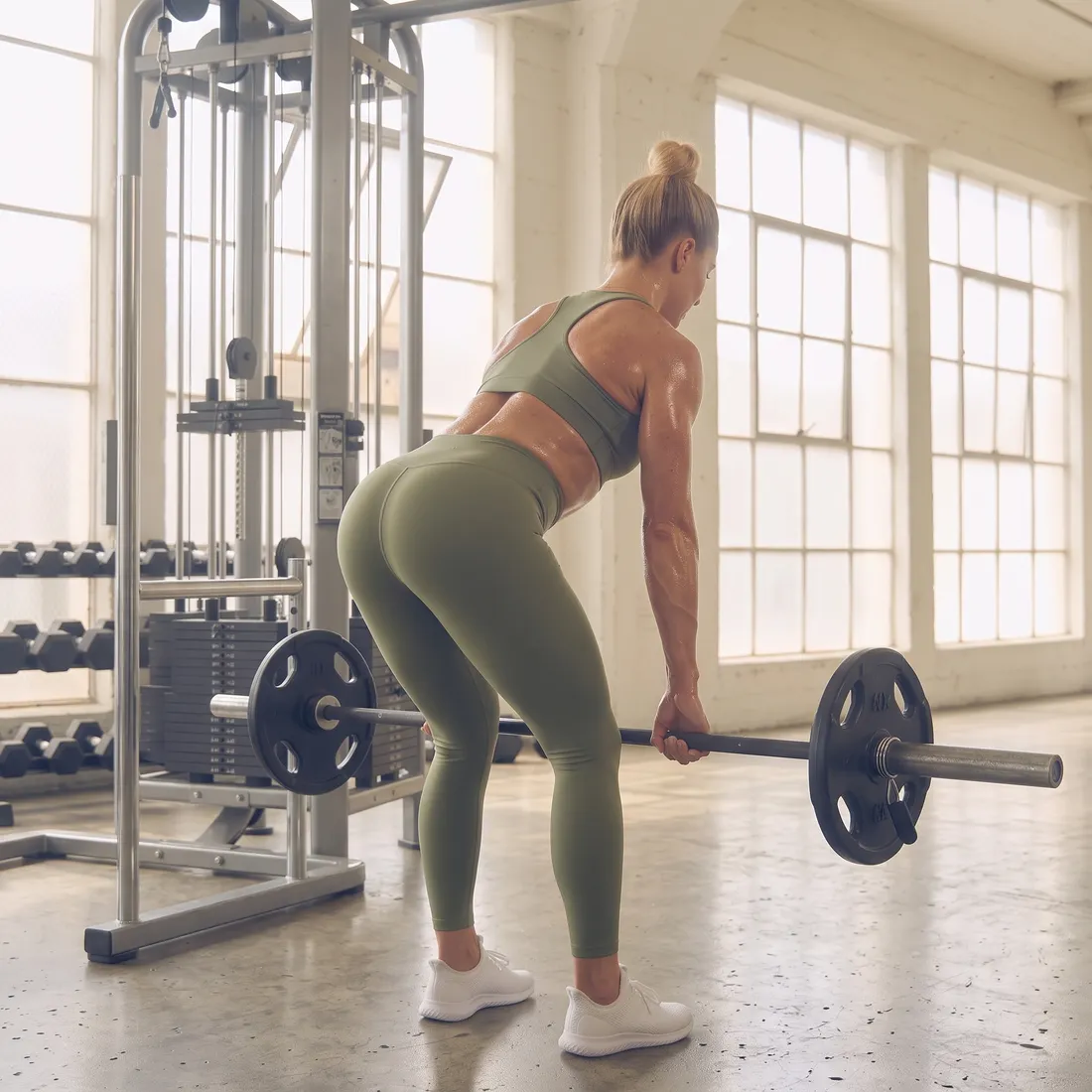
- 1The gluteus maximus is the strongest muscle in the human body and central to hip extension, sprint power, and a stable lower back.
- 2Hip thrusts activate the gluteus maximus more strongly than the classic squat in direct comparison studies.
- 3Lunges and hip abduction specifically target the lateral glutes, which most compound exercises only engage as stabilizers.
A strong glute is more than aesthetics — the gluteus maximus is the most powerful muscle in the human body, central to hip extension, sprint power, and a stable lower back.
These five exercises activate it the most effectively, along with the smaller glute muscles responsible for lateral stability.
1. Hip Thrust

Few exercises activate the gluteus maximus as directly as the hip thrust — in head-to-head studies, it even outperforms the classic squat. You can do it with a barbell or on a machine — both versions target the same muscle, with the machine taking on some of the stabilization work, often making it the more accessible option to start with.
Form: Upper back supported on a bench, barbell over the hips, drive the hips up until torso and thighs form a straight line. Consciously squeeze the glutes at the top.
2. Squat (Goblet Squat)

The squat trains the glutes as part of a large, multi-joint movement — especially in the deep position, the glutes' share of the extension work rises noticeably. The goblet squat is a good entry point: holding a dumbbell in front of the chest instead of on the back makes it easier to stay upright and takes pressure off the lower back.
Form: Feet shoulder-width apart, chest up, lower down as deep as you can with control, without your lower back rounding. For the goblet squat, hold the dumbbell close to your chest.
3. Romanian Deadlift

As a classic hip-hinge movement, the Romanian deadlift works the glutes and hamstrings together — both muscle groups work closely together during hip extension.
Form: Legs nearly straight, push the hips back instead of bending the knees, keep the bar close to your legs until you feel a clear stretch in your hamstrings. Drive the hips forward actively to return to standing.
4. Lunges

As a single-leg exercise, lunges deliver especially high activation of the lateral glute (gluteus medius) — exactly the muscle responsible for stable, level hips while walking and running. At the same time, they expose strength differences between your left and right leg that two-legged exercises tend to hide.
Form: Take a big step forward, lower the back knee toward the floor with control, keep the front knee over the ankle. Perform in place or walking.
5. Machine Hip Abduction

For the lateral glutes (gluteus medius and minimus), hip abduction is the most direct isolation exercise. Most compound lifts only train these muscles as stabilizers — a dedicated exercise covers what usually gets shortchanged.
Form: Sit upright, push your legs outward slowly and with control against the resistance, hold briefly at the end point, then return with control.
What this means for your training
OUR APPROACH AT 10 REPSThese exercises are all part of the 10 Reps exercise catalog — trainable individually through the workout library with a "Lower" focus, or embedded in a complete training plan.
The progression engine handles the weight increases from session to session, so you can focus on clean execution instead of working out the next jump yourself.
Conclusion: Big, Small, Compound, and Isolated - It All Counts
A strong glute doesn't come from a single miracle exercise, but from the interplay of big compound lifts like the hip thrust and squat, a single-leg exercise for lateral stability, and a targeted isolation exercise to finish.
These five exercises cover all three areas.
Continue reading
Knowledge is the start.
The plan does the rest.
Everything we write about here — progression, recovery, structure — is built right into the app. 5 questions, and your first plan is ready.
Download on theApp Store