New Year's Resolution at the Gym - Why Most People Fail (and You Don't Have To)
In January the gym is packed, by March it's much emptier. That's often less about discipline than about how a resolution is phrased - and that can be changed.
 10 Reps Editorial

- 1Resolutions often fail less because of willpower than because nothing was decided in advance - when, where and with which exercises you train.
- 2In the first weeks, training often still feels like effort - that's normal and not a warning sign; how long it takes to become routine varies from person to person, from several weeks to a few months.
- 3Fixed days, the same exercises and visible progress turn a resolution into a routine - and an easier week is part of it.
Almost everyone knows the picture: in January the gyms are packed, by March they're much emptier. If you've ever stopped after a few weeks yourself, you know the feeling - and wonder whether something's wrong with your discipline.
Usually not. It's often less about willpower than about how a resolution is phrased. "I'll go to the gym more this year" isn't a plan - it's a wish. And wishes often only carry you until the first stressful week.
Why resolutions tip over - and what actually helps
A typical first workout comes with lots of small questions: Which machine first? How much weight? How many sets? Each one harmless on its own. Together they turn "I'm training today" into a little round of decisions - and that makes getting started needlessly sticky.
What actually helps: decide beforehand when, where and with which exercises you'll train - rather than deciding on the spot once you're standing in front of the mirror. "Monday, Wednesday, Friday, 6 p.m., these four exercises" usually works better in practice than "I'll go when I'm motivated."
Make the decision once, instead of every day. That often helps more than additional motivation.
The first weeks feel like work - that's normal
Even with a good plan: in the first weeks, training often still feels like overcoming resistance, not like routine. That comes - but it doesn't stay that way. How long it takes until training feels as natural as brushing your teeth varies from person to person - from several weeks to a few months.
If you know that beforehand, you won't quit in week 3 out of disappointment. Not-yet-routine isn't a warning sign. It's simply still early.
What turns a resolution into a routine
Three things help:
How a simple starter plan can look is shown in How to Start Strength Training the Right Way and Muscle-Building Training Plan for Beginners. And: an easier week after a few intense weeks isn't a step back. It's part of the process - more on that in Deload Weeks in Strength Training. If you don't know that, you'll quickly mistake a planned break for failure.
The classic mistakes when choosing a plan
Many resolutions fail before the first workout - because of the wrong plan. Too ambitious for your daily life. Switched too often before progress can show. The five most common of these mistakes are in 5 Mistakes When Choosing a Training Plan.
What this means for your training
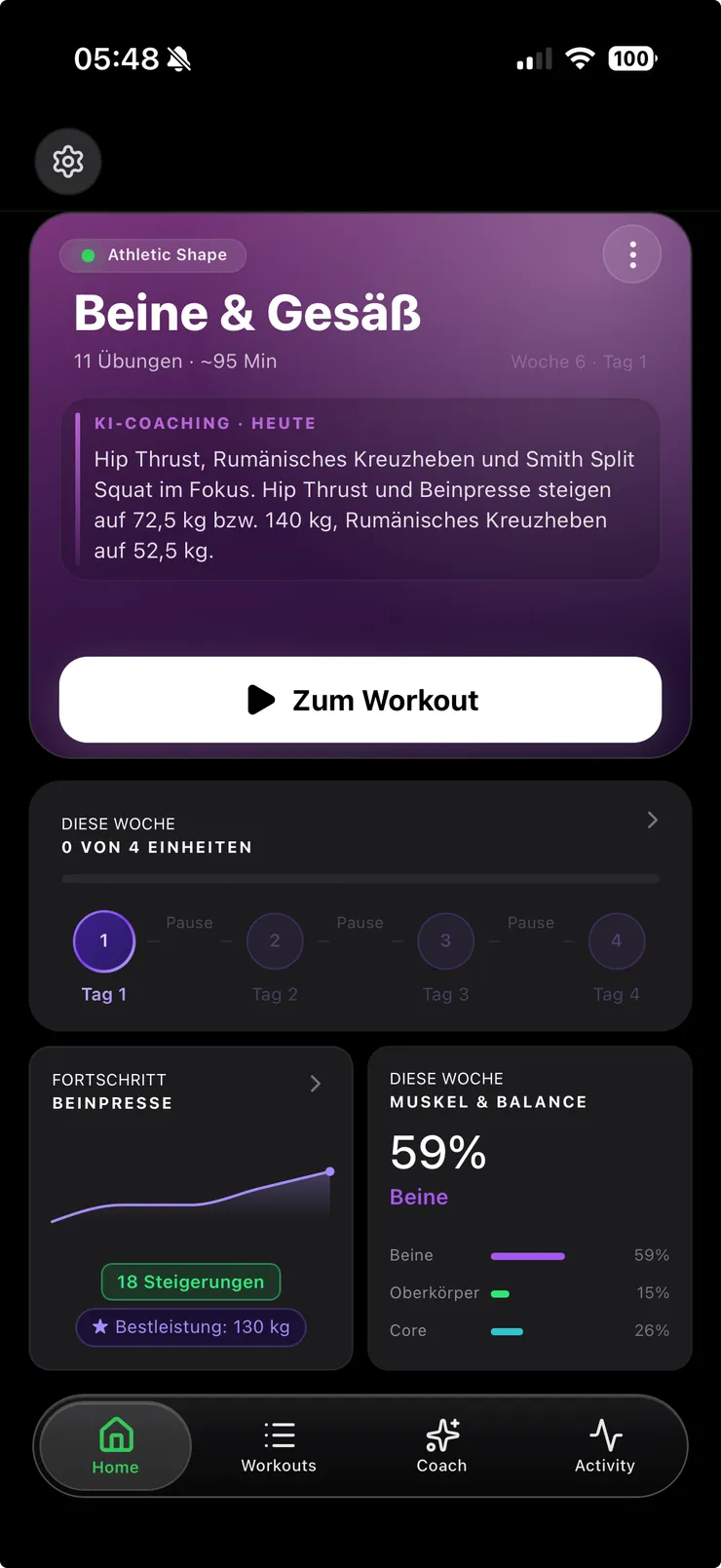
OUR APPROACH AT 10 REPS10 Reps takes away exactly the decisions resolutions tip over on. With the starter plan "Gym Start," exercises and structure are already set: four weeks, three workouts a week. The ProgressionEngine adjusts weight and reps based on your feedback from the last session. And built-in deload weeks make sure an easier week is part of the plan from the start - instead of feeling like a slip-up.
Try it free for 14 days and see for yourself whether a plan without your own planning work is the difference that carries this year.
Conclusion: Not a resolution. A plan.
Gym resolutions often fail less because of discipline than because nothing was decided in advance - when, where, with which exercises. And because the first weeks were allowed to still feel like work before anyone gave up.
Decide once, instead of every day. That's the difference between a resolution that ends in February - and one that's still standing in December.
Continue reading


Knowledge is the start.
The plan does the rest.
Everything we write about here — progression, recovery, structure — is built right into the app. 5 questions, and your first plan is ready.
Download on theApp Store